6 Ways To Stop Identity Theft During Holiday Shopping

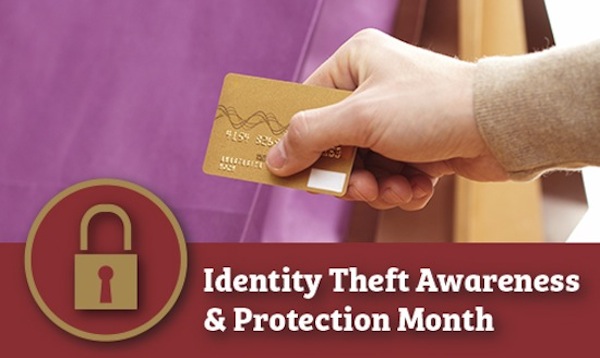
identity theft graphic
If you’re like most Americans, you’ve got a shopping list this month as long as the fellow’s in the big red suit. And more and more of us are doing our shopping online, rather than in store. For example, more people shopped online for this year’s Black Friday than lined up for holiday deals in-store.

Five tips to keep your identity safe this season:

Whether you’re shopping at a .com or a brick-and-mortar store, it’s incredibly important to protect your identity. Don’t let the season of giving be ruined by an identity thief or online scam.

1. Keep your devices secure.

Don’t use a public WiFi network (like at a cafe or store) to do your online shopping or banking. Whether you’re shopping on your phone, tablet or laptop, always log off when you are finished. Before entering your credit card information into a webpage, check the browser address bar for the little lock symbol next to the address. That indicates that the website is secure. Click on the lock symbol in most browsers for more information on the website to verify that it’s legit and not a fake site created to steal your information.

2. Review your account statements frequently.

Don’t wait for your monthly credit card statement to check charges. Check your online accounts regularly, especially after making a lot of purchases.

3. Use your credit card instead of a debit card.

Debit cards take money directly out of your account. Credit cards guarantee that your money is not taken immediately and provide the opportunity to catch a suspicious charge.

4. Keep your personal information secure online.

Think about the information you post on social media. Identity thieves can use that information t to answer ‘challenge’ questions on your accounts to reset your password. Your mother’s maiden name, your elementary school, your first pet’s name – many of these can be uncovered by snooping through your social media accounts.

Too many passwords to remember? Consider using a password manager like LastPass so that you can create unique, tough-to-crack passwords for each site  without forgetting them.

5. Watch for skimmers.

Skimmers are small devices that scan credit card information. Identity thieves attach them to ATM machines or card readers. Before inserting your card, look for anything on the card reader that looks out of the ordinary.

6. Use an Identity Monitoring Service.

If you’re worried about identity theft, put your mind at ease by getting an identity monitoring service. While you’ll still want to be vigilant about sharing your information, an identity monitoring service will make sure someone is keeping an eye on your accounts for any unusual activity. If you’re a member, all our plans include identity theft monitoring and prevention from Experian. Email us at members@texaslegal.org or call customer service at 1-800-252-9346 to learn how to sign up.

And what happens if you become a victim of identity theft? We can help with that too. Experian can help you put your life back together, from lost wallet protection to complex identity restoration services.

Related Articles

Illustration for a wills vs. trusts guide featuring the Texas Legal armadillo mascot with the title "Wills vs. Trusts: What's the Difference and Do You Need Both?" Wills vs. Trusts: What’s the Difference and Do You Need Both?

Learn the difference between a will and a trust, how each works in Texas, and whether you may need one, or both, to protect your wishes and the people you love.

Family reviewing estate planning documents Why Every Adult Needs a Will (And Why Most Americans Still Don’t Have One)

Most adults know they should have a will, but far too many put it off. Learn why a will matters at every stage of life and how it can help protect the people and wishes that matter most.

Parent reviewing legal documents with 18-year-old Turning 18 in Texas: The Essential Legal Checklist Every Family Should Know

When your child turns 18, parents no longer automatically have the legal authority to access medical, financial, or school information. Here are the essential documents every Texas family should consider before a young adult heads to college or starts life on their own.